DBS101_Unit4
SQL Database Systems Fundamentals
Introduction
In this blog, I’ll be covering key concepts in SQL database systems, including joins, views, integrity constraints, data types, schemas, indexes, authorization, SQL from programming languages, functions, procedures, triggers, and recursive queries.
Join Expressions
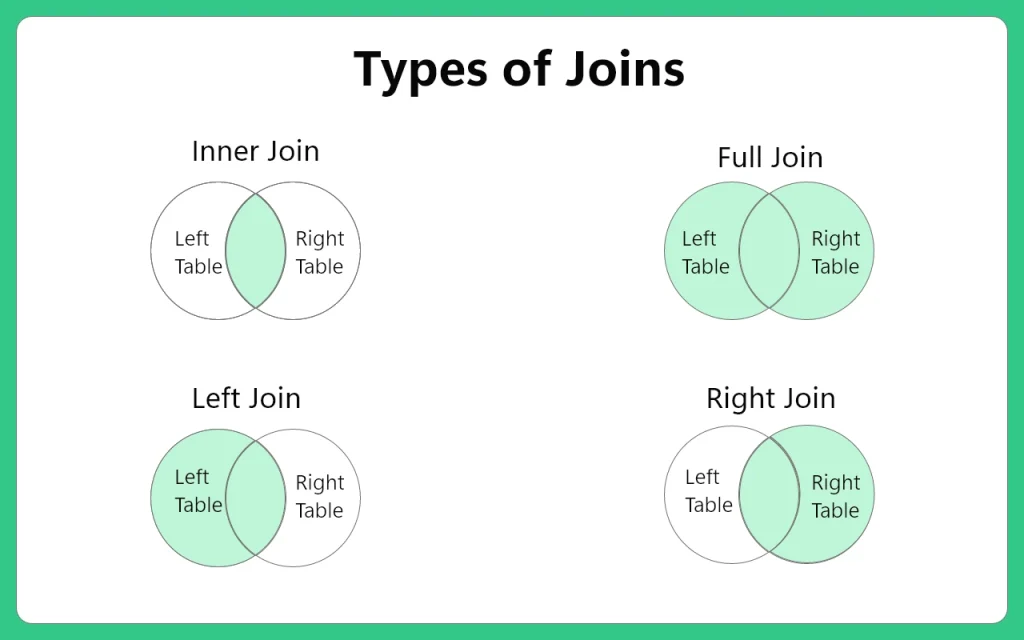
Natural Join
Natural join performs a Cartesian product, finds consistent tuples, and deletes inconsistent tuples, and also removes duplicate attributes. It requires at least one common attribute between two tables.
Join Types and Conditions
- Inner Join: This type of join does not preserve non-matched tuples. It’s the default join type when no outer prefix is specified. Natural join is a type of inner join.
- Outer Join: This join returns both matched and unmatched values from either or both tables.
- LEFT JOIN: Returns unmatched rows from the left table and matched rows from both tables.
- RIGHT JOIN: Returns unmatched rows from the right table and matched rows from both tables.
- FULL OUTER JOIN: Returns unmatched rows from both tables and matched rows from both tables.
Views
A view in SQL is a virtual table based on the result-set of an SQL statement. Views can simplify complex queries, enhance security, and present data flexibly. They don’t store data on disk but retrieve it dynamically each time they are accessed.
Materialized Views
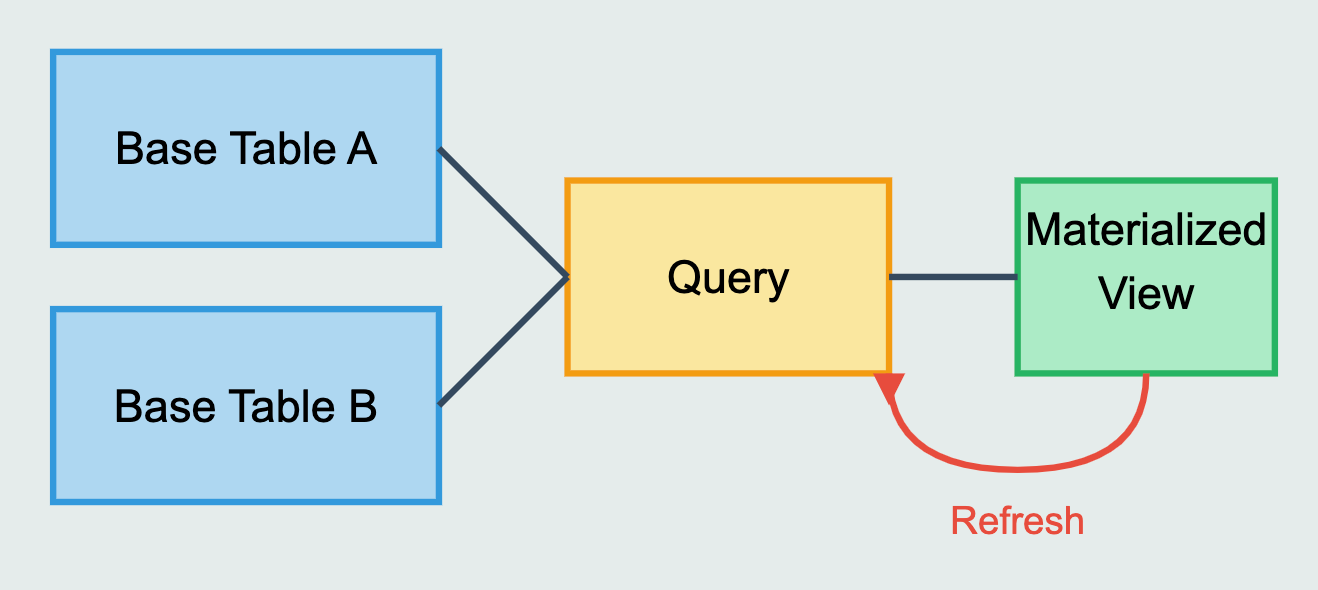
Some database systems allow view relations to be stored and ensure they are kept up-to-date when the actual relations change. These are called materialized views.
Updatable Views
A SQL view is updatable if it meets certain conditions, such as having only one database relation in the FROM clause, containing only attribute names in the SELECT clause, and not having a GROUP BY or HAVING clause.
Integrity Constraints
Integrity constraints ensure that changes to the database by authorized users do not result in a loss of data consistency. Types of integrity constraints include:
- Entity Integrity Constraints
- Domain Constraints
- Referential Integrity Constraints
- Key Constraints
SQL Data Types and Schemas
SQL includes various data types, type conversion functions, and the ability to set default values for columns. It also supports large-object types (CLOB, BLOB) for storing large data items. Users can define their own data types and domains. Additionally, SQL provides features for generating unique key values and auto-incrementing fields.
Schemas, Catalogs, and Environments
Database systems have evolved to use hierarchical structures with catalogs, schemas, and relations. This organization helps in avoiding naming conflicts and allows users and applications to work independently.
Index Definition in SQL
An index is a data structure that allows the database system to efficiently find tuples with specified values without scanning the entire relation. Indexes can be created, declared as unique, and deleted using SQL statements.
Authorization
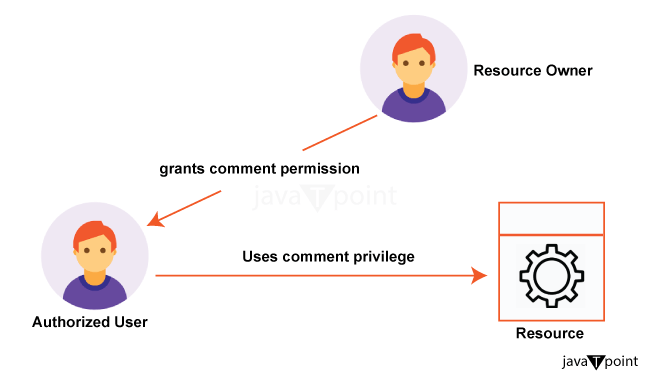
Authorization in SQL includes privileges to read, insert, update, and delete data. The GRANT statement is used to confer authorization, and the REVOKE statement is used to revoke privileges. Authorization can also be managed through roles and views.
Accessing SQL from a Programming Language
SQL can be accessed from general-purpose programming languages using dynamic SQL or embedded SQL. JDBC and ODBC are common standards for connecting to SQL databases.
Functions and Procedures in SQL
SQL allows the definition of functions and procedures to perform specific tasks. Functions can be executed within a SELECT statement and always return a single value, while procedures are explicitly called and may or may not return a value. SQL also supports external language routines.
Triggers in SQL
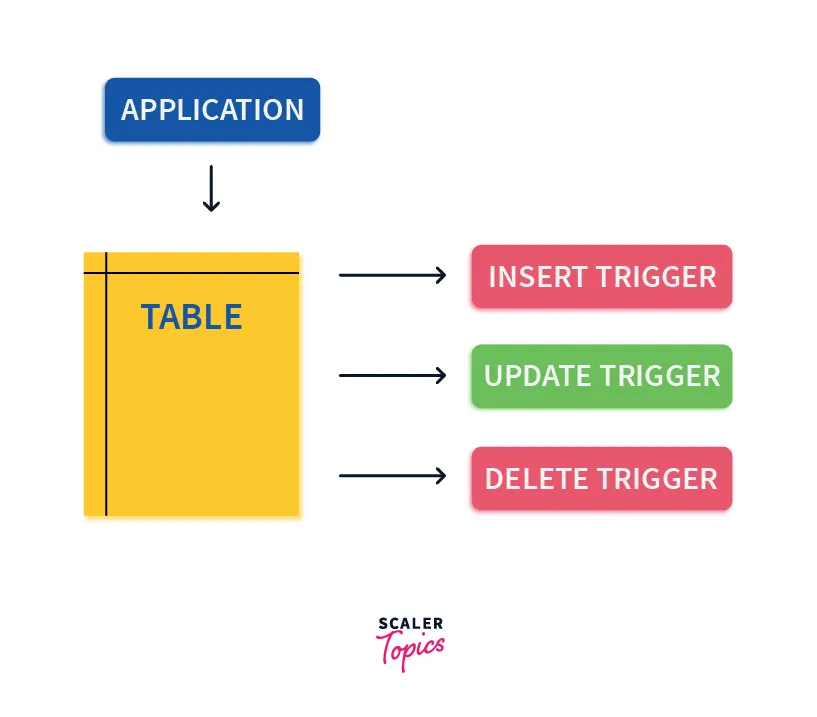
A trigger is a statement that the system executes automatically as a side effect of a modification to the database. Triggers are used for enforcing integrity constraints, alerting humans, or starting tasks automatically.
Recursion in SQL
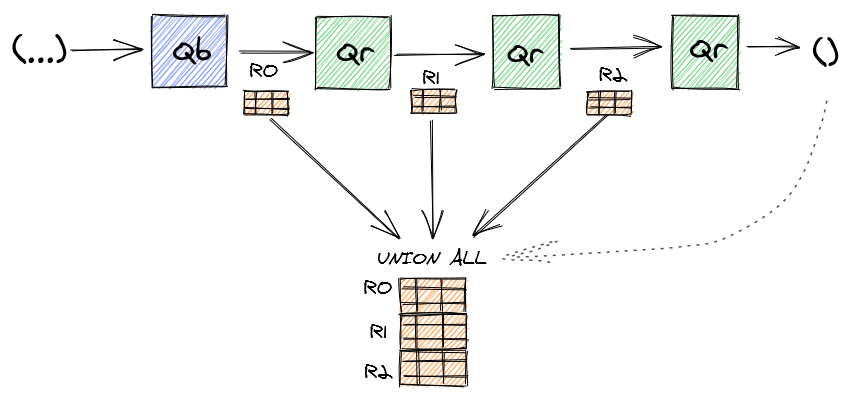
Recursive SQL common table expressions (CTEs) are queries that continuously reference a previous result until they return an empty result. The SQL standard supports a limited form of recursion using the WITH RECURSIVE clause.
Advanced Aggregation Functions
SQL provides advanced aggregation functions to perform complex data analysis and reporting.
Conclusion
From unit4, I’ve gained a comprehensive understanding of several key SQL concepts and techniques.
I learned how to implement different types of joins in SQL, including inner, outer, and natural joins, to combine data from multiple tables effectively.
I also learned to create and implement SQL views, which are virtual tables that simplify complex queries and enhance data security.
The lessons covered SQL transactions and how to implement integrity constraints to maintain data consistency.
I now understand how to define SQL data types and schemas, and how to create and implement indexes using SQL statements to improve query performance.
Additionally, I explored SQL authorization concepts, learning how to control access to data, and how to access SQL from a programming language using standards like JDBC.
Finally, I learned to implement functions, procedures, and triggers in SQL to encapsulate logic and automate database operations, and to write recursive queries and use advanced aggregation features for more complex data analysis..